Ema
Designing AI employees people can understand and trust

One platform. Very different kinds of work.
Ema is an enterprise AI platform for building AI employees that draft proposals, answer questions, or review documents across a company’s tools and data.
As design manager on a three-month consulting engagement, I led the team designing Ema’s core workflows. My scope covered information architecture, interaction design, visual design, and the shared design system.
A shared pattern for different kinds of work
Proposals, support replies, cited answers, and compliance findings follow the same four steps.
- RequestDescribe the job.
- AnswerGet a working draft.
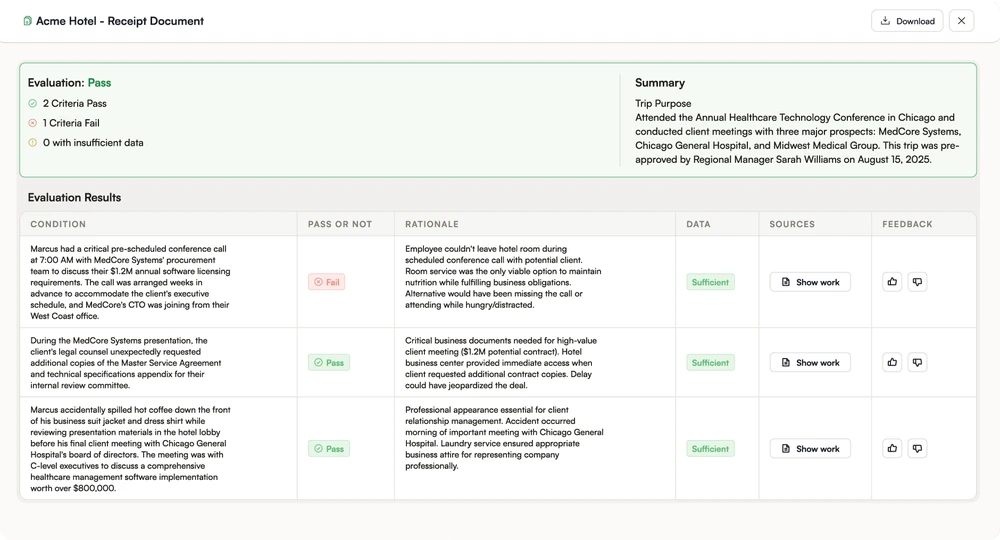
- EvidenceCheck the sources.
- ActionReview, edit, or approve.
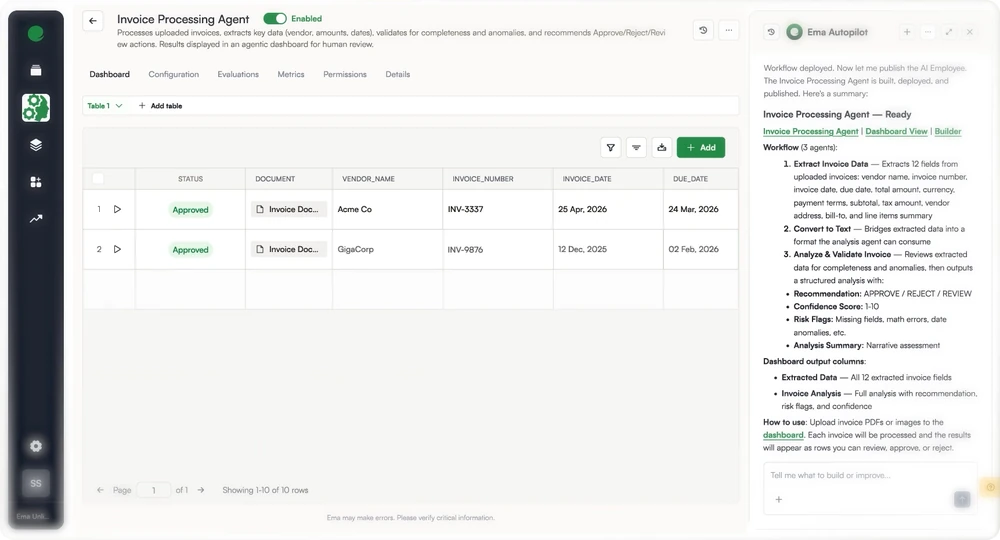
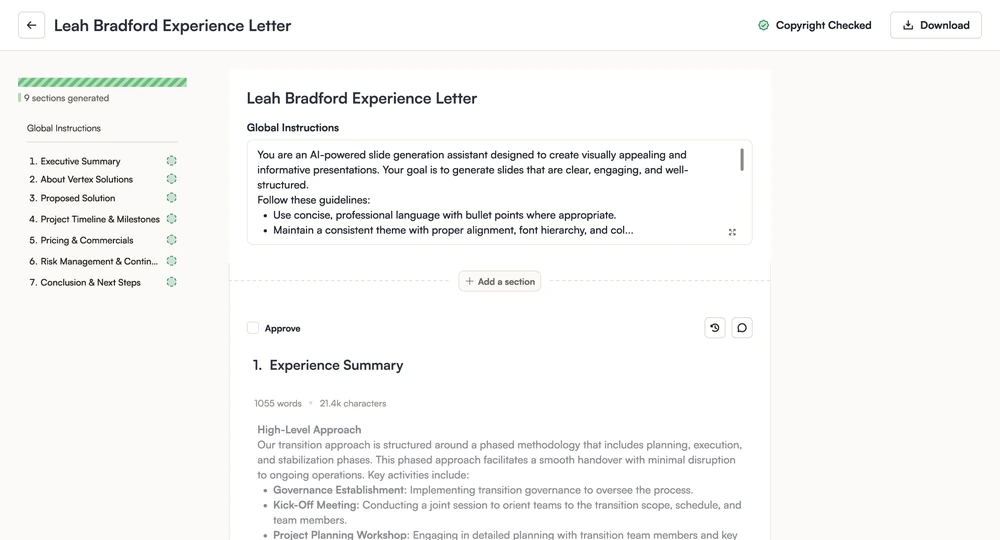
Put the answer where people can work with it
Each output lands where people can review it, with the reasoning and the next decision close by.
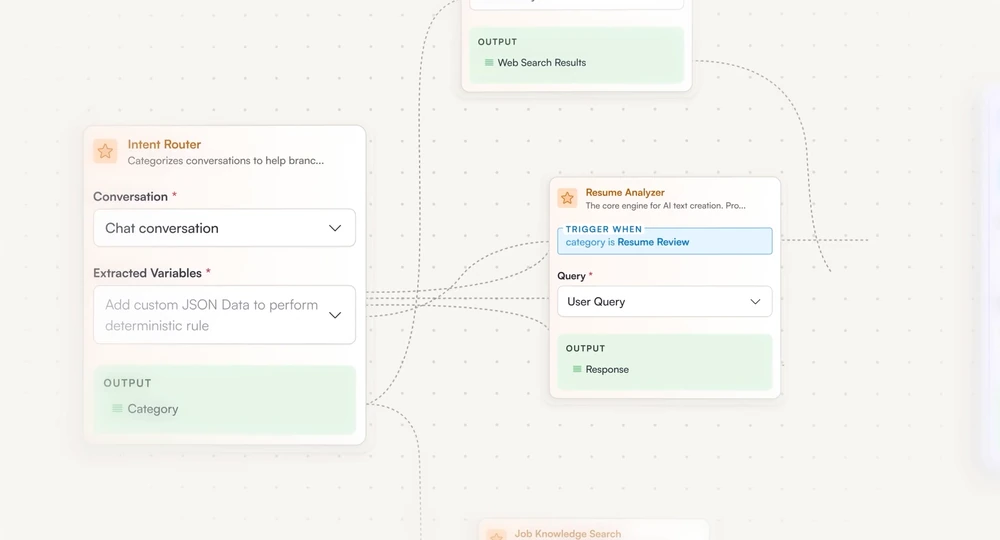
From a request to a working process
The AI employee asks about the decisions that matter, builds the process, and leaves the logic open to inspection.
Trust through visibility and control
The aim was not to make AI look certain. It was to make the evidence, uncertainty, and human decision points visible.
A good AI answer is not the end of the interaction. The design still has to make checking, editing, and acting on it straightforward.
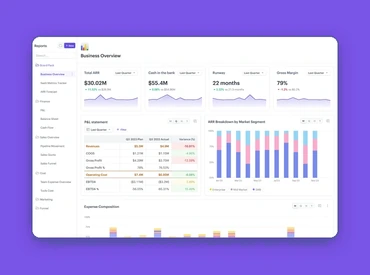 Drivetrain
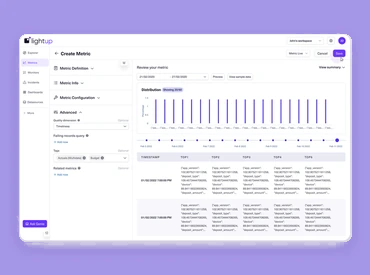 Lightup
 Immagin